
















Does the Uchida-Kraepelin Test Effectively Screen the Right Candidates When HR Makes Critical Hiring Decisions?
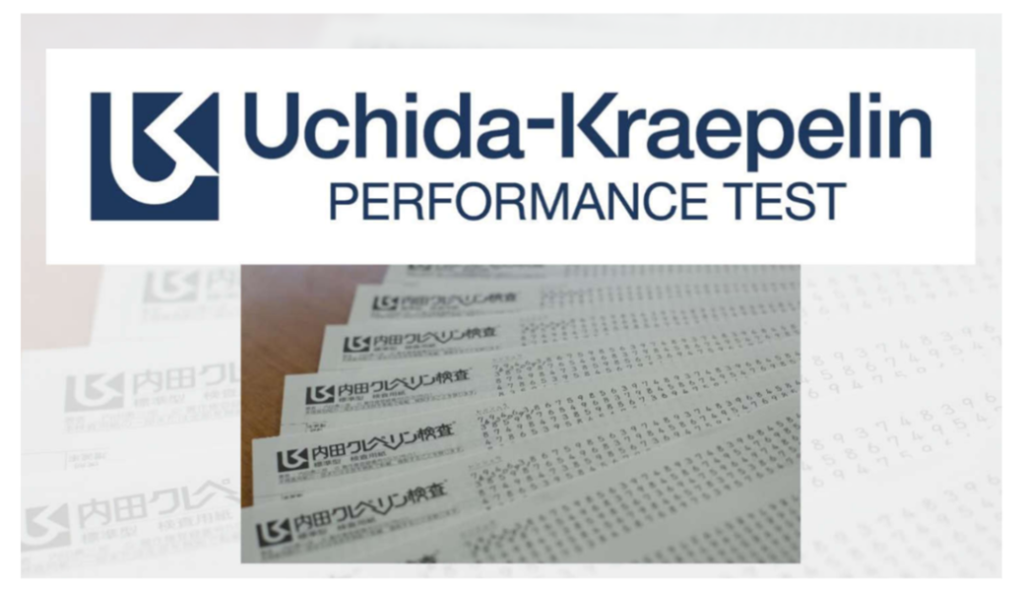
The Uchida-Kraepelin Performance Test is a psychological assessment used to measure work performance, including concentration, endurance, accuracy, and consistency.
The test requires participants to continuously add single-digit numbers within a limited time. Rather than focusing only on correct answers, it is designed to evaluate work behavior and performance patterns over time.
The test originated in the late 19th century when a German psychologist, Emil Kraepelin, began studying mental fatigue and how it affects work performance.
As part of his research, he developed a simple exercise that required people to repeatedly add numbers. This exercise later became one of the earliest psychological tests and served as the foundation of what is now known as the Uchida-Kraepelin Performance Test.
The test became widely known after it was further developed in Japan by Uchida Yuzaburo in the early 20th century. He adapted Kraepelin’s original concept and made it more practical for use in employee selection and personnel assessment. This led to the standardized version known today as the Uchida-Kraepelin Performance Test.
The test gained widespread popularity among Japanese companies, especially in industries where safety and accuracy are critical, such as railway operations, manufacturing, and control system management.Many organizations value the test because they believe that a person’s behavior during repetitive tasks can reveal their actual work habits more effectively than an interview alone.
Key Advantages of the Uchida-Kraepelin Test
✔ Evaluates actual work behavior rather than relying only on answers
✔ Provides insight into work performance over time, rather than a single snapshot
✔ Effective for screening candidates for roles that require a high level of consistency
✔ Reduces the risk of response bias often found in personality tests
If your organization is reviewing its employee selection process, especially for positions with high levels of responsibility, understanding the factors that are not immediately visible may be an important step toward making better hiring decisions.
For more information please contact us.
K.Pairploy Tel: 092-237-3222
Email: pairploy@personnelconsultant.co.th
Ref. : wikipedia , okstate.edu , Uchida-Kraepelin Test
About us

Personnel Consultant , We’re Japanese recruitment company in Bangkok. We has been in the business of recruiting Thai and Japanese talent for 30 years.
Companies looking for talent & staffing , please contact us through this form Click
Tel.02-2608454
Email : jobs@personnelconsultant.co.th
Contact & Follow Us