















Internal Communication in the Workplace: Why Small Issues Can Become Big Problems
Communication is a part of every workplace. We communicate when we assign tasks, share updates, solve problems, and work with colleagues. Because communication happens every day, many people see it as something simple.
However, communication has a bigger impact on organizations than many people realize.
A small misunderstanding, an unclear message, or missing information may seem like a minor issue at first. Over time, these small problems can affect teamwork, productivity, employee engagement, and even customer satisfaction.
That is why effective internal communication is one of the most important foundations of a successful organization.
Why Internal Communication Matters
Internal communication refers to the way information is shared within an organization. It includes communication between managers and employees, between team members, and across different departments.
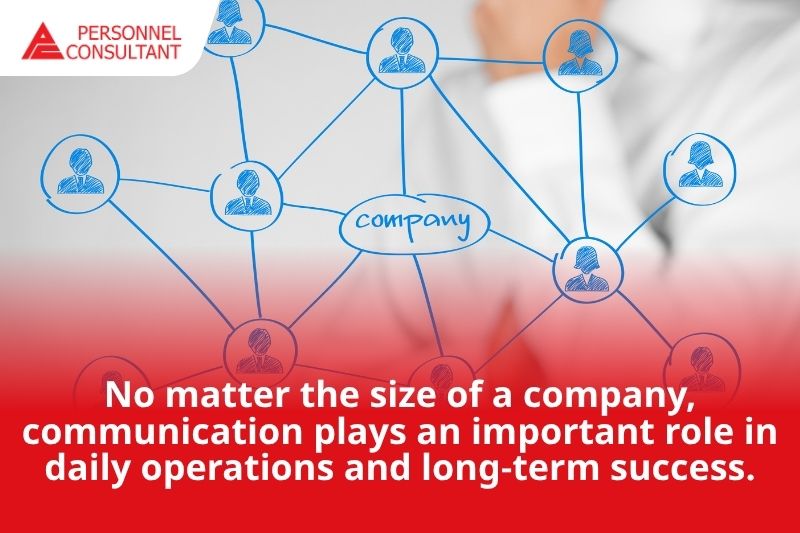
When communication is clear, employees understand what they need to do and why their work matters. They can make decisions more confidently and collaborate more effectively.
On the other hand, when communication is unclear, employees may feel confused, frustrated, or disconnected from their work.
Good communication helps organizations:
– Improve teamwork
– Increase productivity
– Reduce misunderstandings
– Support better decision-making
– Strengthen employee engagement
– Create a positive workplace culture
References : Jint
Common Communication Challenges in the Workplace
Even organizations with experienced employees can face communication challenges.
The good news is that most of these challenges can be improved once they are identified.
Unclear Expectations
One common issue is unclear expectations.
For example, a manager may assign a project but forget to explain the deadline, priorities, or expected results. Employees then have to make assumptions about what is required.
As a result, the final outcome may not match expectations, leading to additional work and delays.
Clear instructions help employees understand exactly what needs to be done and reduce the risk of mistakes.
Information Does Not Reach Everyone
Sometimes important information is shared with only part of a team.
This can happen when updates are communicated informally or through different channels without a clear process.
When employees receive different information, confusion can quickly develop. Team members may work with outdated information or follow different directions.
Making sure that important updates reach the right people at the right time can help prevent unnecessary problems.
Communication Between Departments
Many organizations have multiple departments working toward the same business goals.
However, each department may have different priorities and responsibilities.
Without effective communication, departments can become disconnected from one another. Information may not be shared properly, causing delays or misunderstandings.
For example, the sales team may promise something to a customer without knowing the operational challenges involved. Similarly, marketing campaigns may be launched without informing customer support teams.
Strong communication across departments helps create alignment and improves overall business performance.
Employees Are Afraid to Speak Up
Some employees may hesitate to ask questions or share concerns.
They may worry about making mistakes, appearing inexperienced, or being judged by others.
When employees do not feel comfortable speaking up, organizations may miss valuable ideas and feedback.
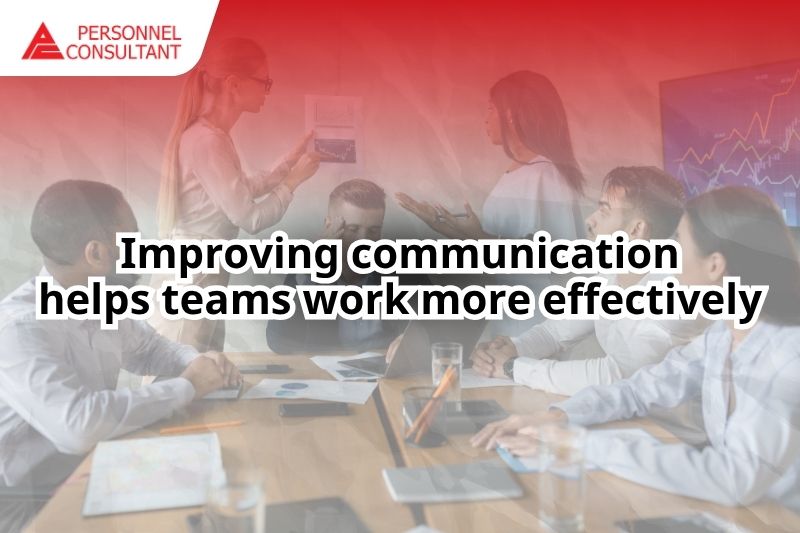
Creating a workplace where employees feel respected and heard can encourage open communication and continuous improvement.
References : Axioshq
The Impact of Poor Communication
Communication problems are often underestimated because they may not be immediately visible.
However, their impact can be significant.
Lower Productivity
Employees spend more time clarifying information, correcting mistakes, and repeating tasks when communication is unclear.
This reduces efficiency and slows down progress.
Increased Stress
People generally perform better when they understand their responsibilities and expectations.
When communication is unclear, employees may feel uncertain about their work, leading to unnecessary stress and frustration.
More Workplace Conflict
Many workplace disagreements begin with misunderstandings rather than actual problems.
A simple communication gap can create tension between colleagues or teams.
Clear communication helps prevent assumptions and improves working relationships.
Reduced Employee Engagement
Employees want to feel informed and connected to the organization.
When communication is limited, employees may feel excluded from important decisions or company updates.
Over time, this can reduce motivation and engagement.
How to Improve Internal Communication

Improving communication does not always require major changes.
Small improvements can make a big difference over time.
Communicate Clearly and Simply
Simple communication is often the most effective.
Avoid overly complicated language and focus on delivering clear messages.
When sharing information, make sure employees understand:
– What needs to be done
– Why it is important
– Who is responsible
– When it should be completed
The clearer the message, the fewer misunderstandings will occur.
Use the Right Communication Channels
Modern workplaces use many communication tools, including emails, messaging apps, video calls, and meetings.
Each tool serves a different purpose.
For example:
Instant messaging can be useful for urgent questions.
Email can be used for formal communication.
Meetings can help discuss complex topics.
Establishing clear guidelines helps employees know where to find information and how to communicate effectively.
Encourage Two-Way Communication
Communication should not only flow from managers to employees.
Employees should also have opportunities to share ideas, ask questions, and provide feedback.
Two-way communication helps organizations identify challenges early and create better solutions.
When employees feel comfortable contributing, they are more likely to stay engaged and motivated.
Build a Culture of Listening
Listening is an important part of communication.
Organizations often focus on how messages are delivered, but listening is equally important.
Managers who actively listen to employees can better understand concerns, identify opportunities, and build stronger relationships.
Employees are more likely to trust leaders who genuinely listen to their opinions.
Provide Regular Feedback
Feedback helps employees understand their strengths and identify areas for improvement.
Effective feedback should be:
– Clear
– Respectful
– Specific
– Focused on growth
Regular feedback creates opportunities for learning and development while strengthening communication between managers and employees.
References : Happily.ai
Building a Stronger Workplace Through Communication
Organizations do not need perfect communication. What matters is a commitment to continuous improvement.
– Small actions can make a significant difference:
– Sharing information more clearly
– Listening more actively
– Encouraging open conversations
– Providing regular feedback
– Creating opportunities for collaboration
Over time, these practices help build trust, improve teamwork, and strengthen workplace culture.
Clear communication helps employees work more effectively, collaborate better, and stay aligned with company goals. By promoting open communication and active listening, organizations can build a stronger and more productive workplace.
References : Deoneacademy, Optimistichr, Axioshq
About Us

Personnel Consultant , We’re Japanese recruitment company in Bangkok. We has been in the business of recruiting Thai and Japanese talent for 30 years.
Companies looking for talent & staffing , please contact us through this form Click
Tel.02-2608454
Email : jobs@personnelconsultant.co.th
Contact & Follow Us