












-
 2026.11.18Corporate Management
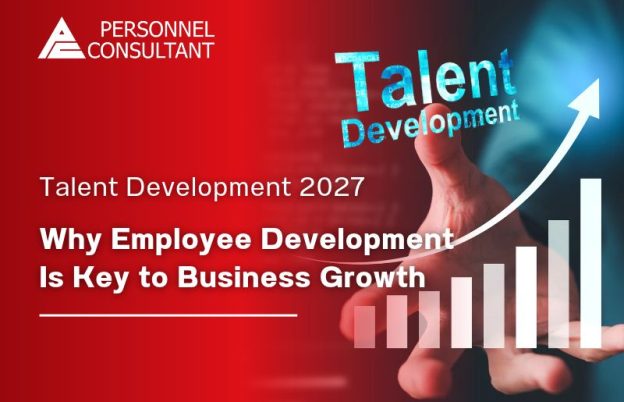
Talent Development 2027: Why Employee Development Is Key to Business Growth
Technology and business needs are changing the way people work. Companies need employees who can use digital tools, understand data, solve problems, and work well with others. According to the SHRM APAC Skill Intelligence Report 2026, 85% of surveyed organizations in Thailand reported a large skills gap in AI, digital, and data skills. The report also found skills gaps in...
-
 2026.11.06Corporate ManagementRecruitment
Year-End Recruitment Planning: How to Prepare for Hiring in the New Year
Recruitment involves several steps, from understanding job requirements and finding candidates to arranging interviews and making job offers. Each step takes time and requires cooperation between HR, hiring managers, and candidates. Preparing early can help companies: Reduce delays in hiring: HR has more time to prepare job details, find candidates, and arrange interviews before the expected start date. Improve communication:...
-
 2026.10.15Corporate Management
Workforce Planning: A Practical Guide for HR
Workforce planning is the process of assessing a company’s current workforce and preparing for its future staffing and skill requirements. It considers questions such as: Does the company have enough employees for its business plans? Do employees have the skills needed for upcoming changes? Which roles may be difficult to fill? Should the company recruit new employees or develop its...
-
 2026.10.07Corporate Management
What Is Total Compensation? Why HR Should Look Beyond Salary
Total Compensation refers to the total value of the pay, benefits, and other rewards that an employee receives from their employer. It can include: Base Salary – the employee’s regular monthly or annual salary Bonus and Incentives – performance bonuses, commissions, or other incentives Employee Benefits – health insurance, life insurance, provident funds, and other benefits Paid Time Off –...
-
 2026.07.22Corporate Management
What Is Onboarding? How It Helps Reduce Employee Turnover
Onboarding is the process of welcoming and preparing new employees after they join an organization. It helps employees understand the company, their responsibilities, workplace culture, and how they can work effectively with their team. Many people think onboarding only means orientation on the first day. However, onboarding is more than that. It can start before the first working day (Pre-Onboarding)...
-
 2026.07.08Corporate Management
What is Retention Strategy? How to Keep Talented Employees in the Organization Long-Term
Retention Strategy is a plan or approach used by an organization to keep valuable employees for as long as possible. It is not only about salary or benefits, but also includes work experience, development opportunities, relationships with managers, and company culture. The main goal is to increase employee engagement and reduce the chance of employees leaving the company. Why is...
-
 2026.06.26Corporate Management
Internal Communication in the Workplace: Why Small Issues Can Become Big Problems
Internal communication refers to the way information is shared within an organization. It includes communication between managers and employees, between team members, and across different departments. When communication is clear, employees understand what they need to do and why their work matters. They can make decisions more confidently and collaborate more effectively. On the other hand, when communication is unclear,...
-
 2026.06.25Corporate Management
How to Build a Strong Team Across Different Generations in the Workplace
In today’s workplace (2025–2026), most organizations have employees from different generations working together. These include Gen X, Millennials (Gen Y), and Gen Z. Each generation grew up in different times. Because of this, they have different values, communication styles, and ways of working. Understanding these differences is very important for building a strong and healthy team. Gen X (born approximately...
-
 2026.06.22Corporate Management
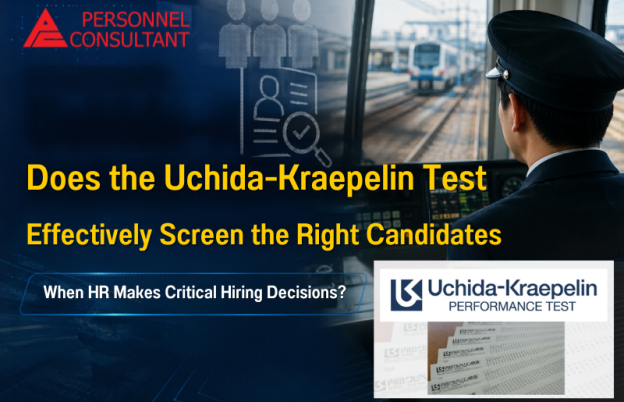
Does the Uchida-Kraepelin Test Effectively Screen the Right Candidates When HR Makes Critical Hiring Decisions?
The Uchida-Kraepelin Performance Test is a psychological assessment used to measure work performance, including concentration, endurance, accuracy, and consistency. The test requires participants to continuously add single-digit numbers within a limited time. Rather than focusing only on correct answers, it is designed to evaluate work behavior and performance patterns over time. The test originated in the late 19th century when...
-
 2026.05.05Corporate Management
Top Companies in Japan 2026: Most Desired Employers Among New Graduates
About us Personnel Consultant , We’re Japanese recruitment company in Bangkok. We has been in the business of recruiting Thai and Japanese talent for 30 years. Companies looking for talent & staffing , please contact us through this form Click Tel.02-2608454 Email : jobs@personnelconsultant.co.th Contact & Follow Us
-
 2026.04.09Corporate Management
What Is HR Solutions? HR Services That Help Organizations Grow Sustainably in the Modern Workplace
HR Solutions refers to a comprehensive approach to human resource management. It covers everything from recruitment and talent acquisition to employee development and long-term workforce management. Simply put, HR Solutions is a “support system” that helps organizations manage their people more effectively, in a structured way, and in alignment with how they operate. It can take different forms, such as...
-
 2026.04.03Corporate Management
Differences Between Hybrid Work, Remote Work, and WFH in 2026
Hybrid Work is a mix of working at the office and working remotely. Employees may go to the office on some days for meetings or teamwork, and work from home or other places on other days. Advantages of Hybrid Work High flexibility Still allows face-to-face communication Helps maintain company culture Better time management Example: A marketing employee may go to...
-
 2026.03.26Corporate Management
What Is Quiet Quitting? Signs HR and Organizations Should Recognize Before Employees Burn Out
Quiet Quitting refers to working strictly within the boundaries of one’s role. Employees focus on completing assigned tasks, but avoid taking on additional responsibilities, working beyond necessary hours, or exceeding expectations. Many employees in this situation are not actively planning to leave. Instead, they are creating distance between themselves and their work in order to protect their energy and maintain...
-
 2026.03.19Corporate Management
Employee Burnout in the Workplace: Signs, Causes, and How HR Can Prevent It
Burnout Syndrome is a condition that develops from prolonged workplace stress. Over time, employees may begin to feel physically and emotionally exhausted. Some may lose motivation, feel drained, or struggle to maintain the same level of enthusiasm they once had at work. Burnout does not mean that a person is lazy or lacking responsibility. Rather, it is often a signal...
-
 2026.03.12Corporate Management
What Is a SMART Goal? A Practical Guide for Career and Team Growth
SMART is a framework designed to make goals clear, measurable, and more achievable. It consists of five components S – Specific M – Measurable A – Achievable R – Relevant T – Time-bound Although the concept is simple, applying all five elements can transform vague intentions into actionable plans.
Corporate information

